
Solar PV and Battery Insights from Our Northumbria University Presentation
Author: Steve Fairless
Originally Published: 13th December 2024 · Updated: 2nd September 2026
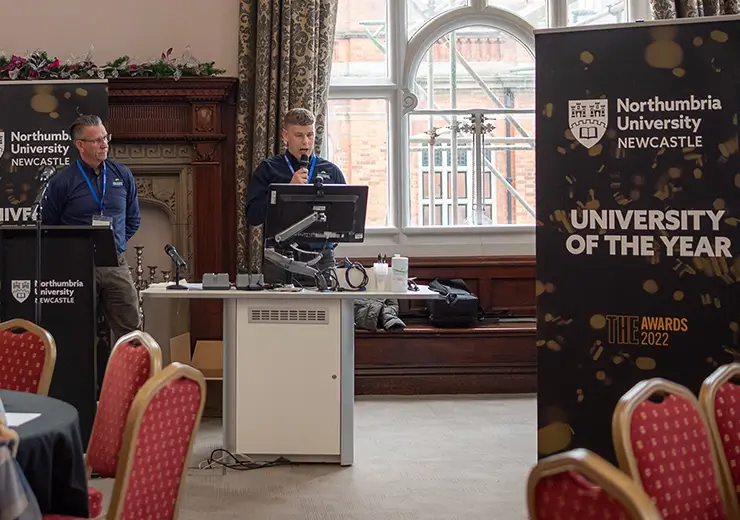
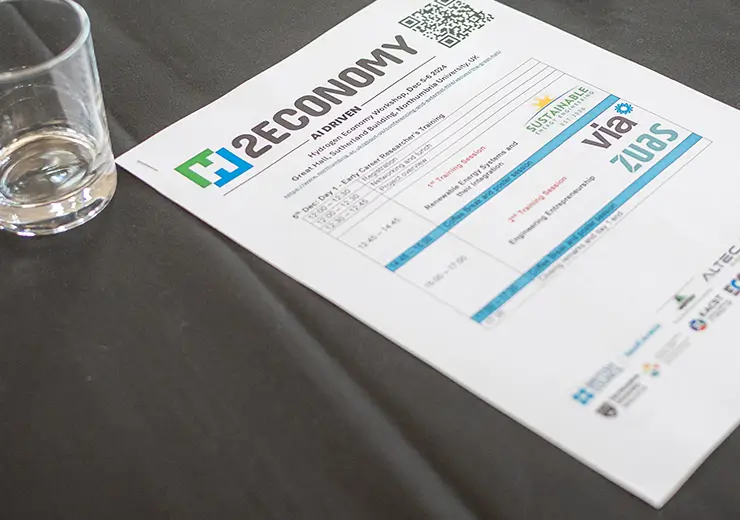
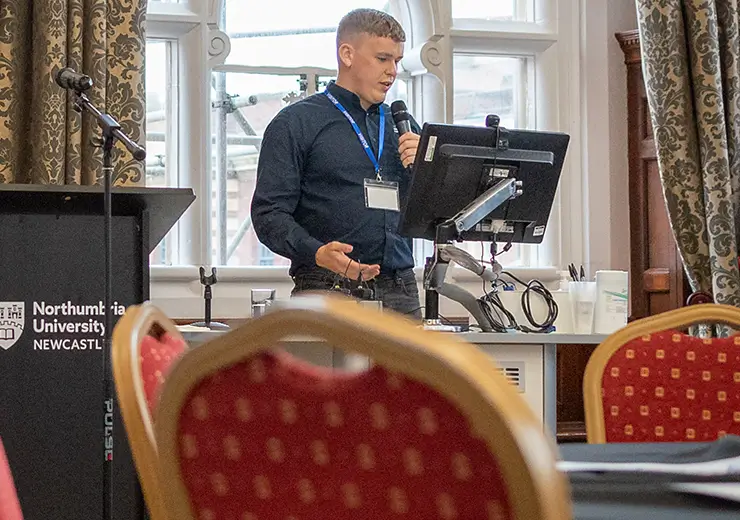
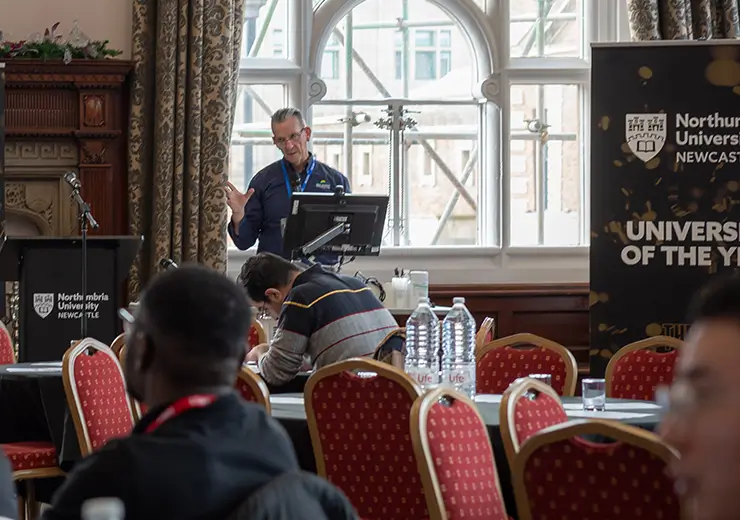
Our presentation at Northumbria University focused on a practical question: how do we turn solar panels, batteries and smart tariffs into energy systems that work in real buildings? We discussed generation and savings, battery optimisation, changing tariff strategies and lessons from domestic and commercial installations across the North East.
For us at Sustainable Energy Engineering, sharing this experience matters because the energy transition needs more than equipment. It needs engineers, designers, electricians, researchers, planners and customers who understand how the parts interact.
The session was not a sales presentation built around one product. It was an opportunity to explain the difference between a headline specification and an operating system: the roof, weather, electrical design, load profile, battery controls, network connection and human behaviour all influence the result.
What We Covered at Northumbria University
- How solar PV creates value: not only through annual generation, but through the proportion used directly, stored or exported.
- Why batteries need a purpose: self-consumption, time-of-use shifting, peak management and backup are different objectives.
- How smart tariffs change operation: the cheapest or most valuable time to move energy can vary through the day and year.
- Why forecasts are estimates: weather, demand and tariff assumptions need to be visible rather than hidden inside one savings figure.
- What case studies teach us: real buildings expose constraints that a laboratory specification cannot.
- Why aftercare matters: monitoring, maintenance and clear handover protect performance after commissioning.
Solar PV Generation: Start With the Building
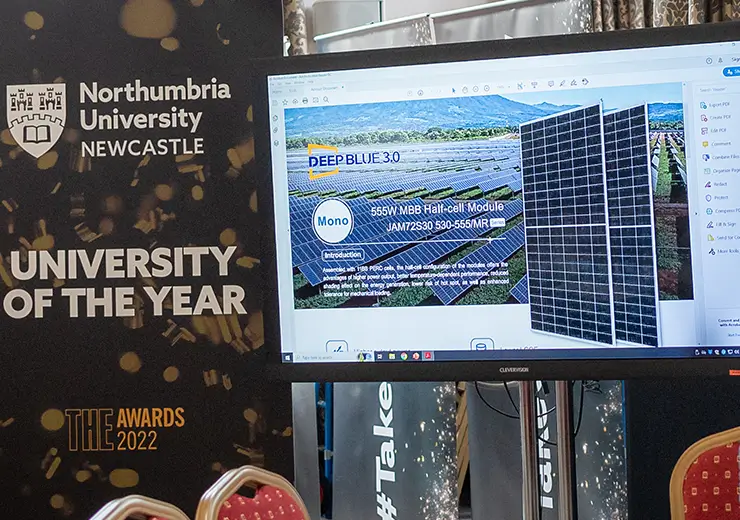
Solar modules produce DC electricity, but the value of an installation depends on much more than module efficiency. Roof area, orientation, pitch, shading and electrical grouping determine how much of the nameplate capacity becomes useful annual energy.
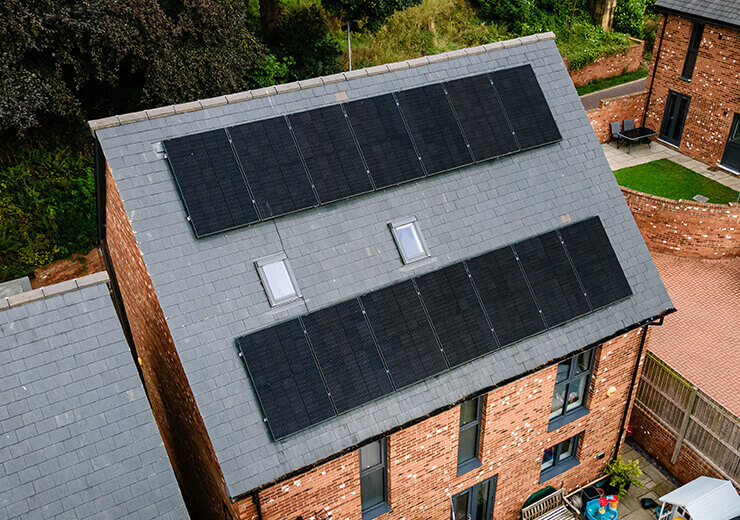
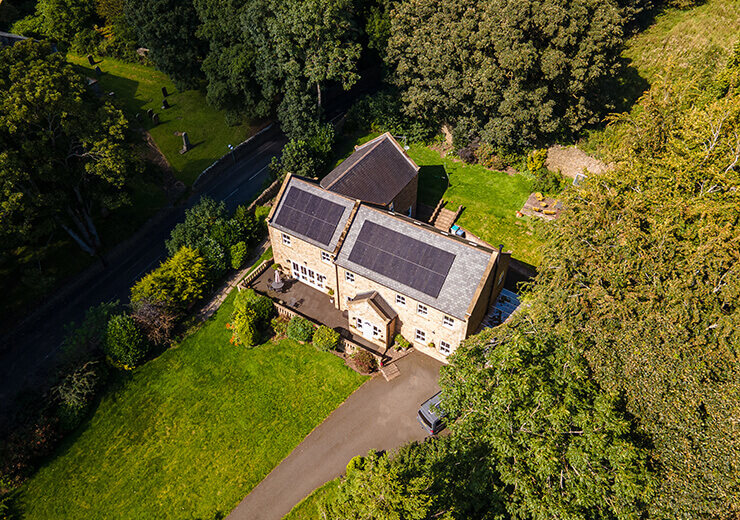
We explained that two buildings with the same number of panels can produce different results. One may have an unshaded south-facing array with strong daytime demand. Another may have several roof orientations, seasonal shade and low occupancy during peak generation. The product list can look similar while the system value is materially different.
That is why our domestic solar PV designs begin with energy use and the available building surfaces rather than a standard package.
Four Quantities We Kept Separate
The fourth quantity is value: what each kWh is worth depends on whether it avoids an import, charges a battery or earns an export payment.
Why Solar Forecasts Need Honest Assumptions
MCS requires a standard generation estimate and a self-consumption estimate for relevant domestic designs. It also makes clear that solar radiation varies by location and year, so the estimate is guidance rather than a guaranteed outcome.
We use that uncertainty constructively. Instead of pretending one forecast is exact, we explain what could move the result: weather, changes in occupancy, an EV, a heat pump, tree growth, system downtime or a different tariff.
For students and professionals, this is an important engineering lesson. A model is valuable when its inputs and limits are understood. More decimal places do not make uncertain assumptions more accurate.
Battery Storage: Energy Capacity Is Only Half the Design
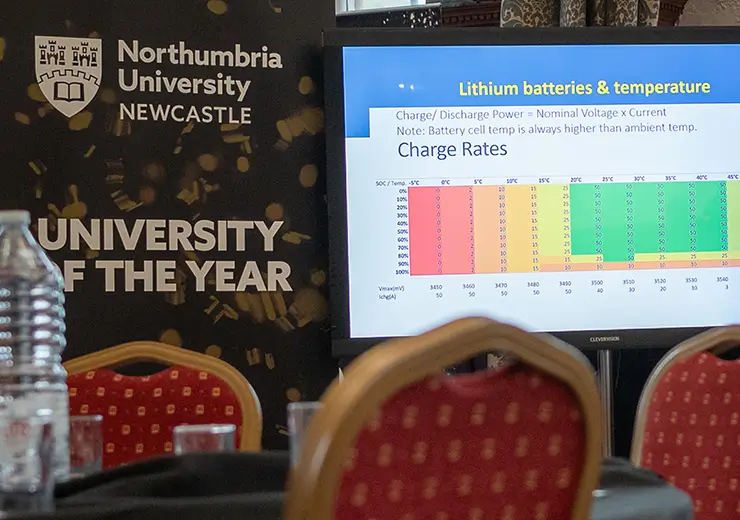
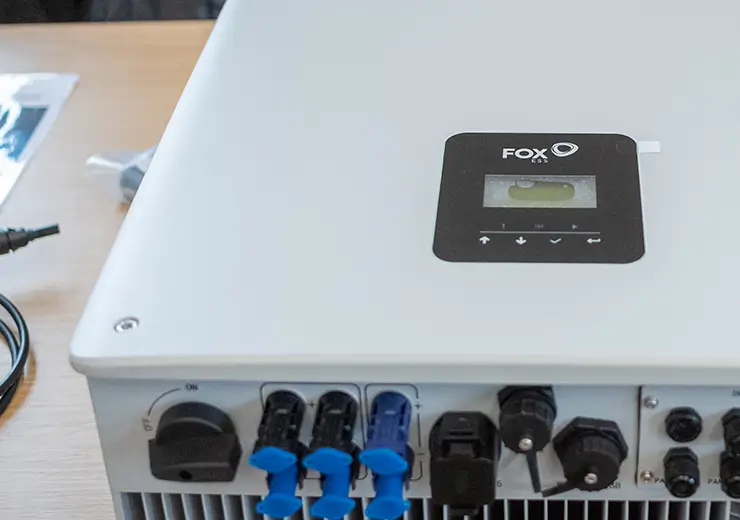
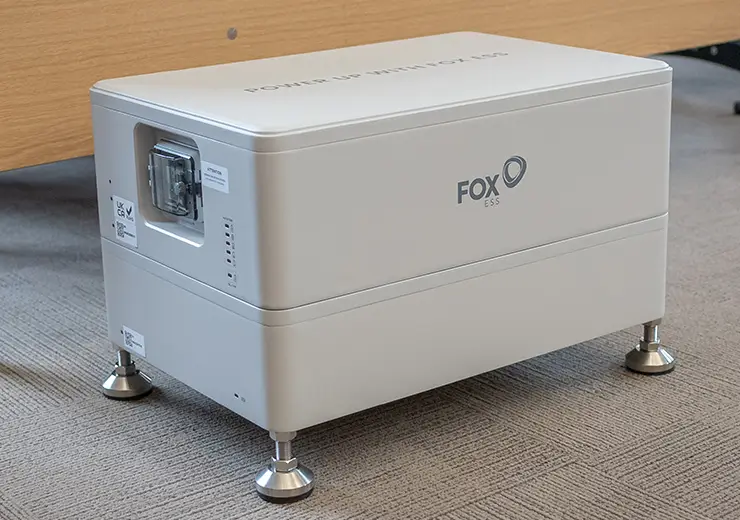
Battery discussions often begin and end with kWh. We explained why output power, charge power, inverter limits, reserve settings, cycling, temperature and the source of charging also matter.
| Question | Why it matters |
|---|---|
| How much energy needs moving? | Sets the useful capacity range rather than the largest available battery. |
| How quickly must it move? | Determines charge and discharge power requirements. |
| Is it charged by solar, grid or both? | Changes cycling, tariff value and winter operation. |
| Is backup required? | Introduces islanding equipment, supported loads and reserve decisions. |
| Who controls it? | Manual schedules, manufacturer automation and third-party tariff control behave differently. |
Our solar and battery-storage work is designed around those operating questions. A battery is not valuable merely because it is full; it is valuable when it can release energy at the time and power level the property needs.
Smart Tariffs Turn Timing Into a Design Variable
Time-of-use tariffs create different import and export values across the day. A battery may charge overnight, hold solar for an evening peak, preserve a backup reserve or respond to an automated platform.
We discussed why tariff strategy should influence controls but should not dictate the entire capital design. Tariff names, rates, eligibility and compatible devices can change much faster than solar modules or roof structures. A robust installation should remain useful if the customer changes supplier or the market changes.
A Tariff Is an Operating Opportunity, Not a 20-Year Equipment Warranty
We model current tariff options, but we do not assume that one rate structure will remain unchanged for the life of the battery. The system should still make sense through direct solar use, sensible capacity and flexible control.
What Northumbria Research Adds to the Conversation
Northumbria University research has explored how control strategies can coordinate rooftop PV, battery storage and flexible household loads. One 2024 simulation study reported reductions in battery cycling and grid consumption under its tested fuzzy-logic load-shifting scenarios.
We presented the practical counterpart to that research question: customers rarely behave like fixed load profiles. Appliances move, working patterns change, EVs arrive and weather forecasts are imperfect. Control strategies need good data, understandable priorities and safe fallbacks.
The University’s renewable-energy toolkit work also reflects the wider challenge. Local projects involve finance, planning, logistics, heat, storage and community needs as well as generation technology. That systems view closely matches what we encounter on real sites.
Why Real Case Studies Matter
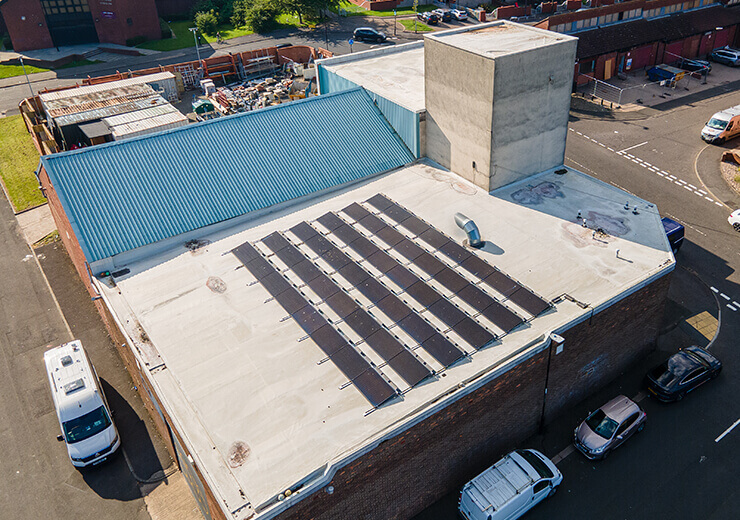
A case study can reveal design trade-offs that a generic calculator misses. A school may use most of its electricity in daylight but have holiday periods. A warehouse may offer a large roof but face structural, landlord or network constraints. A home may have excellent solar potential but limited space for battery equipment.
During the presentation, we used real project experience to show that a strong outcome often comes from resolving small details early:
- moving modules away from a persistent obstruction;
- separating roof orientations across suitable MPPTs;
- choosing a cable route that remains serviceable;
- sizing storage around actual surplus rather than annual consumption alone;
- starting the DNO process before equipment is committed;
- making monitoring understandable to the owner.
Our wider solar case-study library shows how those decisions vary from project to project.
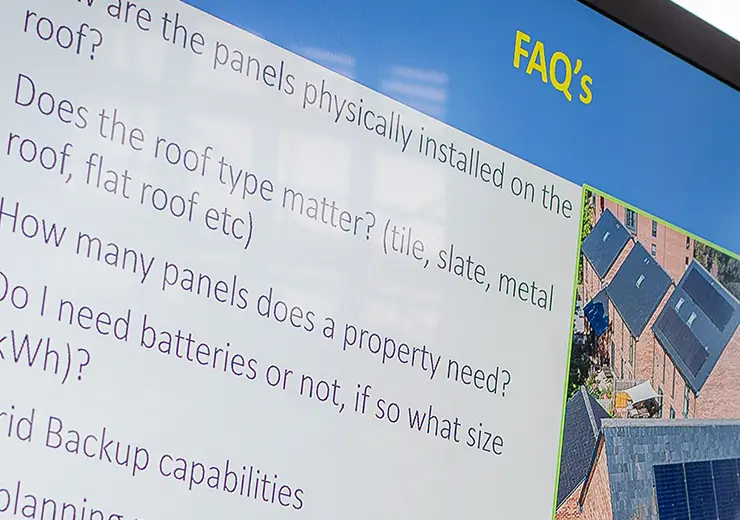
Photographs from the Presentation

Why Monitoring Belongs in the Design Conversation
Commissioning is not the end of system performance. Monitoring helps owners understand generation, consumption, battery state, import and export. It also allows unusual patterns to be investigated before months of energy are lost.
We emphasised the difference between data and diagnosis. A low figure may be caused by cloud, orientation, shade, a full battery, export limitation or a fault. The system diagram, expected profile and site conditions provide the context.
What We Want Future Engineers to Challenge
Questions Worth Asking of Any Solar Proposal
- Which assumptions drive the annual generation figure?
- How has shading been measured and represented?
- Why are these modules grouped on these MPPTs?
- What limits battery charge and discharge power?
- How is grid export controlled and approved?
- What happens when the battery is full or empty?
- How will the owner recognise underperformance?
- Which parts are likely to need replacement before the panels?
- Does the design remain useful if the tariff changes?
Renewable Energy Is an Interdisciplinary Career
The sector needs technical specialists, but it also needs people who can communicate across disciplines. A successful project may involve structural engineers, roofers, electricians, network planners, software platforms, finance teams, facilities managers and end users.
University-industry conversations help connect theory with the constraints of live projects. They also encourage the industry to explain its claims more clearly. That benefits students, customers and established professionals.
What We Took Away from the Session
The strongest solar and battery systems are not defined by one product or one percentage. They are defined by the quality of the decisions connecting generation, demand, storage, tariffs, the building and the grid.
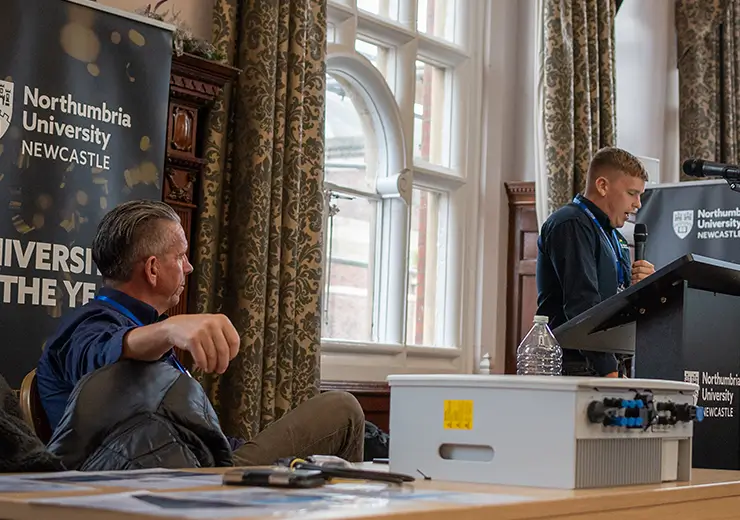
Our Northumbria University presentation gave us the opportunity to share what those decisions look like on real installations and to discuss how research, education and industry experience can improve them.
Planning a Solar or Battery Project?
We can turn your roof, electricity use and future plans into a practical design with transparent assumptions and clear operating priorities.