
Is There VAT on Solar Panels in 2026?
Author: Steve Fairless
Originally Published: 24th January 2024 · Updated: 3rd September 2026
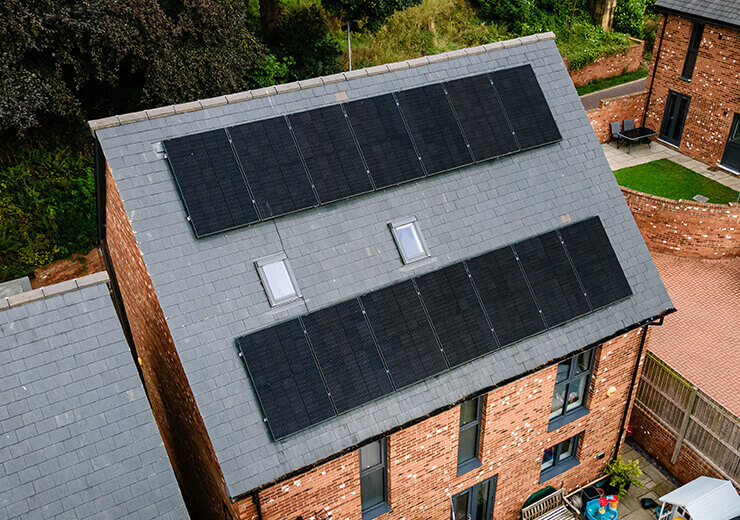
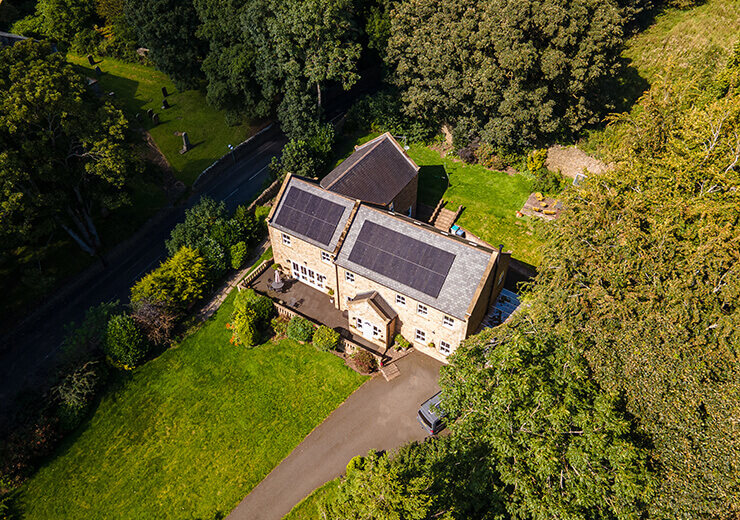
Under the UK rules applying in September 2026, a qualifying supply and installation of solar panels in eligible residential accommodation or a relevant charitable building can be charged at 0% VAT. A retail purchase of panels without installation is normally standard-rated. The temporary 0% period is scheduled to end on 31st March 2027, with a 5% rate applying to qualifying installations from 1st April 2027 under the current legislation.
At Sustainable Energy Engineering, we distinguish the installed energy-saving-material supply from a supply-only product sale, general building work and commercial projects. VAT depends on what is supplied, where it is installed, who is using the building and whether other work forms part of a single or separate supply.
This guide explains the practical position for solar PV and battery storage. It is general information rather than individual tax advice; unusual property, charity, business or mixed-use circumstances may need confirmation from HMRC or a qualified tax adviser.
Solar Panel VAT: The Short Answer
- Installed residential solar can be 0% VAT. The relief applies to qualifying energy-saving materials installed in eligible accommodation.
- The current 0% period runs to 31st March 2027. The qualifying rate is scheduled to become 5% from 1st April 2027.
- Supply-only panels are normally 20% VAT. Buying equipment at retail without an installation service does not receive the installed-material relief.
- Qualifying batteries can also be 0%. Since 1st February 2024, eligible battery installations include batteries fitted with solar, retrofitted later or installed alone.
- Commercial solar is normally standard-rated. VAT recovery depends on the business’s own registration and use.
- Mixed building work needs separation. Roof repairs, structural alterations and unrelated work do not automatically become zero-rated because solar is included.
The Current VAT Timeline
Key Dates for Qualifying Installed Energy-Saving Materials
The tax point and exact nature of the supply matter. A quotation prepared during the 0% period does not by itself determine the VAT treatment of work supplied later.
Why Installed Solar Can Be Zero-Rated
HMRC Notice 708/6 treats solar panels as qualifying energy-saving materials when they are installed in the eligible settings and the supply meets the conditions. The solar installation can include equipment integral to the system, such as cabling, control equipment and an AC/DC inverter.
For our domestic solar installations, the normal arrangement is a single contract to supply and install the designed system. That is different from a customer buying loose panels and later finding someone else to fit them.
What Counts as Residential Accommodation?
The relief covers specified forms of residential accommodation. These include houses and flats used as dwellings and certain other residential settings described by HMRC. The precise status of a mixed-use building, holiday accommodation, residential institution or property under construction can require closer review.
The key point is that “a building with people in it” is not automatically residential accommodation for VAT. We identify the property type and customer before applying the rate.
Relevant Charitable Buildings
Qualifying energy-saving materials can also receive the relief when installed in a building used solely for a relevant charitable purpose. HMRC’s definition and the actual use of the building matter. A charity-owned building used for business activities is not automatically treated the same way as a qualifying non-business charitable building.
Community halls, churches and similar properties can have mixed activities, leases or trading operations. Through our solar work for community and faith buildings, we establish the use and contracting party early so the quotation does not assume a VAT status that later proves wrong.
Charitable Ownership Is Not the Only Test
The relief refers to use for a relevant charitable purpose, not simply the name or legal form of the owner. Where the use is mixed or commercial, the organisation should obtain advice on the correct treatment.
Why Supply-Only Solar Panels Are Normally Standard-Rated
If a retailer sells panels, an inverter or a battery without installing them, the goods are normally charged at the standard VAT rate. The relief is designed around the installation of qualifying energy-saving materials, not every sale of the components.
This distinction matters when comparing online equipment prices with a professional installed quotation. A cheaper-looking product-only price may exclude design, mounting, electrical protection, labour, scaffold, DNO work, testing, certification and VAT treatment.
Solar Batteries and the 2024 Change
From 1st February 2024, electrical battery storage became a qualifying energy-saving material in its own right. In eligible residential or charitable settings, the 0% rate can apply when a battery is installed with solar, added to an existing system or installed as a standalone storage system that can charge from the grid.
Our battery storage service still treats the equipment as an engineered electrical system. Zero VAT does not remove the need for correct capacity, power, location, protection, DNO and commissioning decisions.
| Supply | Likely treatment | What needs checking |
|---|---|---|
| Solar PV supplied and installed at an eligible home | 0% during the current relief period. | Property qualifies and the contract is a genuine supply and installation. |
| Battery installed with new solar at an eligible home | 0% during the current relief period. | Battery and installation form qualifying energy-saving-material work. |
| Battery retrofitted to an eligible home | 0% during the current relief period. | Supply includes installation and meets HMRC conditions. |
| Standalone home battery installed without solar | 0% during the current relief period. | Eligible building and installed qualifying battery storage. |
| Solar equipment bought without installation | Normally 20% standard-rated. | Whether any separate installation contract changes the nature of the supply. |
| Solar installed on a normal commercial building | Normally 20% standard-rated. | Business VAT registration, recovery position and any exceptional use. |
| Qualifying installation after 31st March 2027 | Scheduled to be 5% under current rules. | Rules and tax point in force when the supply is made. |
Commercial Solar and VAT
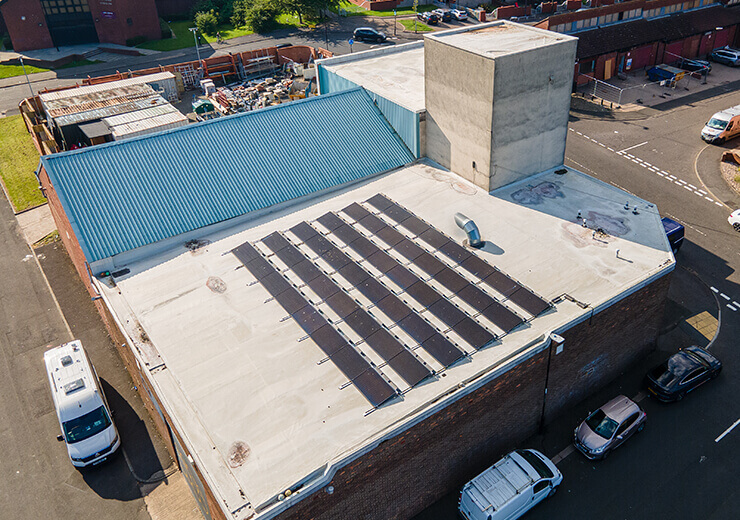
A standard commercial solar installation does not normally qualify for the residential energy-saving-material zero rate, so VAT is charged at the standard rate. A VAT-registered business may be able to recover input VAT to the extent the normal recovery rules permit, but that is a matter for its accountant or tax adviser.
Cash flow still matters even where VAT can eventually be reclaimed. Commercial proposals should show whether figures are VAT-exclusive or VAT-inclusive and whether grants, leases, power-purchase arrangements or mixed exempt activities change the position.
Solar on a Home With a Business Use
A home office does not necessarily convert an entire dwelling into a commercial building, but substantial mixed use, separate supplies or business premises within the property can complicate treatment. The contract should identify the installation location and the nature of the accommodation.
We avoid making a broad promise based only on the customer’s postal address. Where the building has an unusual use, the customer should obtain confirmation before relying on the zero rate.
New Builds and Residential Construction
New residential construction has its own VAT rules. Solar may form part of the construction of a new dwelling rather than a separate energy-saving-material retrofit. Developers, main contractors and self-builders need to consider the complete supply chain, who is invoiced and which building work is being supplied.
We provide a clear solar scope and invoice description, but the customer or main contractor remains responsible for confirming the wider development’s tax treatment.
Roof Repairs and Other Building Work
Necessary minor work integral to fitting the solar system can be treated differently from a major reroof, structural alteration or general refurbishment. Adding panels to a quotation does not automatically make an unrelated roof project zero-rated.
Where two supplies are genuinely separate, the invoice and contract should show them separately. Where they form one composite supply, HMRC considers the overall economic reality rather than the labels placed on individual lines.
Do Not Treat Solar as a Way to Zero-Rate Unrelated Building Work
The relief applies to qualifying energy-saving-material installations. A roof replacement, loft conversion or general electrical upgrade needs its own VAT analysis even when it happens at the same time.
Scaffolding, Wiring and Installation Accessories
Items and services that are part of the qualifying solar installation can follow the VAT treatment of that installed supply. This can include the mounting, cabling and inverter needed to make the PV system function. It does not mean every service provided at the property is separately an energy-saving material.
A complete quotation should make clear which costs are part of the solar installation and which are additional work.
What About Repairs and Maintenance?
Repairing or servicing an existing solar system is not automatically the same as installing qualifying energy-saving materials. Replacement components, labour and maintenance may have a different VAT treatment depending on what is supplied and whether the work amounts to a new qualifying installation.
We distinguish a battery retrofit or system extension from a diagnostic visit, cleaning or repair. The invoice description should reflect the real work performed.
The Tax Point and the April 2027 Change
Under the current schedule, the rate for qualifying installations moves from 0% to 5% on 1st April 2027. The date a customer accepts a quote is not always the VAT tax point. Payments, invoices, completion and supply rules can affect which rate applies.
Customers planning work close to the change should not assume that placing a deposit guarantees the earlier rate. We will invoice in line with the rules applying to the supply, and customers with a material timing issue should take tax advice.
What Should a Solar Quote Show?
VAT Information We Expect to Be Clear
- the legal supplier and customer;
- the property or site receiving the installation;
- the equipment and installation services included;
- any separate roof, electrical or building work;
- the VAT rate applied to each genuine supply;
- whether the total is VAT-inclusive or VAT-exclusive;
- the assumptions behind any charitable or residential treatment;
- the position if timing or project scope changes.
Can VAT Relief Be Combined With Other Support?
VAT treatment is separate from export payments, grants, finance and energy schemes. A system can receive the 0% installed rate without being grant-funded, and a grant does not automatically determine VAT. Each programme has its own eligibility conditions.
We show the installed price and explain what is included. Where a customer is considering finance or funding, the repayment or grant calculation should use the correct VAT-inclusive project cost.
Our Practical View
For most homeowners buying a complete installed solar or battery system in September 2026, the 0% rate is a significant reduction in upfront cost. The important qualification is that it applies to a qualifying installation in an eligible building—not to every panel, battery or service sold in the UK.
We apply the correct rate to the supply we are making and keep the scope clear. Where the circumstances fall outside an ordinary residential installation, we would rather obtain confirmation than make an unsupported promise.
Planning a Home Solar or Battery Installation?
Tell us about the property, the system you are considering and whether any other building work is involved. We will provide a clear installed quotation showing the applicable VAT treatment.