
How Much Does It Cost for Pigeon Proofing Solar Panels?
Author: Steve Fairless
Originally Published: 19th December 2023 · Updated: 3rd September 2026
There is no reliable national fixed price for solar panel pigeon proofing that we would be comfortable presenting as a universal 2026 cost. A genuine quotation depends on the array perimeter, roof height, access, scaffold or other working-at-height controls, the amount of nesting material and fouling, whether active nests are present, and the type of mesh and fixing method required.
At Sustainable Energy Engineering, we would rather explain those cost drivers than publish a headline number that could be wrong for the property. Pigeon proofing is roof work carried out around live electrical generation equipment, so safe access and correct fixing matter as much as the mesh itself.
This guide explains what we inspect, what can make a job simple or complex, and why bird law must be considered before nests are disturbed or removed.
If bird activity has affected the array or you are concerned about cables, connectors or performance, our solar PV servicing work can be combined with an inspection. For existing systems, we also review the condition of the installation rather than treating pigeon proofing as a cosmetic add-on.
Updated: 3rd September 2026
Pigeon Proofing Cost: The Short Answer
- We do not use a universal fixed price. The perimeter of the array, roof access and the condition underneath the panels are the biggest cost drivers.
- Safe access can cost more than the mesh. Roof work must be planned around work-at-height risks, not priced as if it were a ground-level DIY task.
- Active nests change what can legally be done. Wild bird nests in use or being built are protected by law.
- A proper system should avoid drilling or damaging the solar module frame unless the manufacturer expressly permits the method.
- Cleaning, cable inspection and proofing are separate tasks. A heavy infestation can require more work than simply fitting a perimeter barrier.
Why We Do Not Publish a One-Size-Fits-All Pigeon Proofing Price
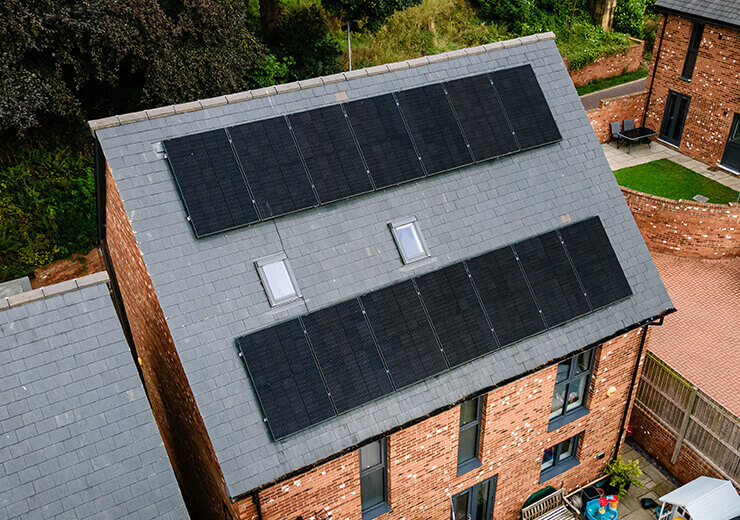
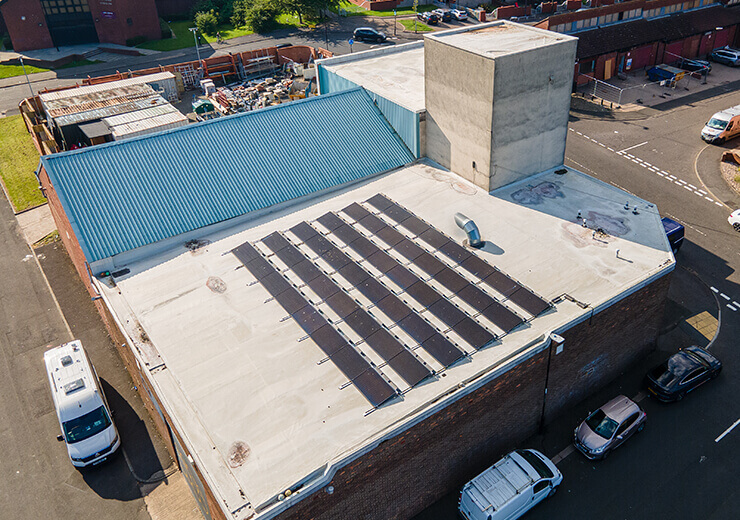
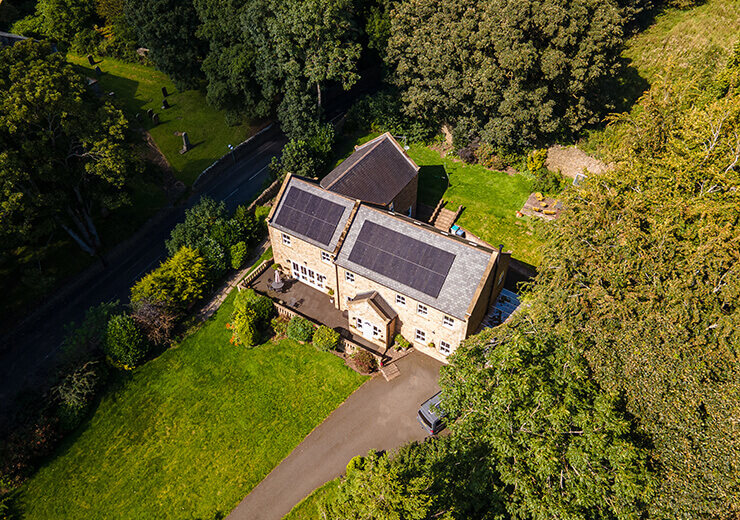
Two roofs with the same number of panels can have very different proofing costs. A low, easy-access array with a clean perimeter is a different job from a three-storey roof with several panel groups, conservatories below, heavy nesting debris and restricted scaffold access.
| Cost factor | Why it matters |
|---|---|
| Array perimeter | Proofing is normally fitted around exposed panel edges, so perimeter length matters more than panel count alone. |
| Roof height and access | Safe access arrangements can materially change the job scope. |
| Number of separate arrays | Several roof faces create more edges, corners and access points to seal. |
| Existing nests and fouling | Debris removal and cleaning can add labour and may be restricted if nests are active. |
| Cable condition | Bird activity can expose pre-existing cable-management or connector issues that need separate attention. |
| Roof covering | Tile, slate and other coverings change how installers move and work safely around the array. |
Do Not Remove an Active Nest Because It Is Inconvenient
UK law protects wild birds, their eggs and nests. It is an offence to intentionally take, damage or destroy a wild bird nest while it is in use or being built. We therefore check the situation before disturbing nesting material and recommend specialist advice where the legal position is not clear.
What Does Professional Solar Panel Pigeon Proofing Involve?
The usual objective is to create a durable physical barrier around the accessible gap beneath the modules while keeping ventilation and drainage paths functional. The barrier must be secure enough to resist birds without placing inappropriate loads on modules, roof coverings or electrical cables.
- Survey the full array perimeter and identify access points, corners and gaps.
- Check for active nesting before removing material or sealing access.
- Inspect visible cables and connectors for displacement, abrasion or poor support.
- Remove loose debris only when it is lawful and safe to do so.
- Fit suitable mesh or another approved barrier using a method compatible with the module and mounting system.
- Leave the roof and drainage routes unobstructed and confirm the array has not been damaged during the work.
Why Safe Roof Access Is Part of the Price
The Health and Safety Executive describes all roof work as highly dangerous and requires it to be properly planned. Solar proofing involves working around module edges, rails, slippery surfaces and sometimes fragile roof coverings. A quote that ignores access risk can look cheap because it has omitted one of the most important parts of the job.
We do not encourage homeowners to climb onto roofs to save the cost of professional access. If work can be completed safely from an appropriate platform or scaffold, that should be considered as part of the method rather than treated as an optional extra.
Does Pigeon Proofing Improve Solar Performance?
Pigeon proofing is primarily about preventing nesting, debris accumulation and repeat access beneath the modules. It should not be sold as a guaranteed percentage increase in generation. If droppings or debris are physically shading cells, cleaning may restore some lost output, but the scale of that improvement depends on the actual soiling pattern and the electrical design of the array.
We prefer to look at inverter monitoring and recent generation before claiming that a bird problem is causing a measurable performance loss.
Should the Panels Be Cleaned at the Same Time?
Sometimes, particularly where droppings are heavy. However, cleaning and pigeon proofing are not identical services. Current Energy Saving Trust guidance recommends non-abrasive cleaning methods and notes that difficult or high panels may need professional cleaning. We assess whether cleaning is genuinely required rather than adding it automatically.
If modules are heavily soiled, we also check whether the dirt pattern suggests a drainage, roof or bird-access issue that should be resolved before the array is simply washed.
What We Look for Under an Infested Array
| Inspection point | What we are looking for |
|---|---|
| DC cables | Poor support, rubbing, trapped cable, damaged insulation or exposed connectors. |
| Module frames | Signs of inappropriate previous fixings, impact or corrosion. |
| Roof covering | Broken/slipped tiles or debris interfering with drainage. |
| Mounting rails | Loose items, trapped material or access gaps around rail ends. |
| Gutters and valleys | Bird debris that could contribute to blockages or water problems. |
| Monitoring | Any fault history or generation change that deserves a separate electrical investigation. |
DIY Mesh vs Professional Pigeon Proofing
The mesh itself is not the difficult part. The risks are roof access, accidental module damage, interference with DC cabling, incorrect clips, trapped drainage and working around active nests. For ground-mounted or safely accessible arrays, owners may be able to inspect the perimeter from a safe position, but roof work should not be approached as a simple weekend task.
A professional job should also leave a clear route for future solar servicing. Proofing that has to be destructively removed every time the array is inspected is poor design.
How We Quote Pigeon Proofing
For an accurate quotation we normally want photographs showing the roof elevation and array edges, the property height, panel layout, access restrictions and any visible nesting. Where the condition is unclear, a site inspection may be the sensible first step.
If there is evidence of an electrical fault, damaged connector, low insulation resistance or persistent inverter trip, we treat that as a solar service issue first. Mesh does not repair an electrical defect.
Our Recommendation
Pigeon proofing should be priced as a small roof-and-solar engineering job, not as a length of mesh multiplied by a generic rate. The right quote explains access, legal constraints, cleaning scope, fixing method and what happens if damaged cables or roof defects are discovered.
Need Pigeon Proofing or a Solar Array Inspection?
Send us clear photographs of the array, roof height and visible bird activity. We can advise whether you need proofing only or whether the system should also be inspected and serviced.
Request a tailored quote from Sustainable Energy Engineering.